
Tile and Vinyl Floors Installed to Last
Flooring Installation in Katy for kitchens, bathrooms, and living spaces that need tile or luxury vinyl planking
Ballybees Services provides flooring installation throughout Katy and surrounding areas when you are ready to replace worn surfaces with tile or luxury vinyl planking. You live with floors that show years of traffic, water stains near the tub, cracked grout lines, or vinyl that has peeled at the edges, and you want a durable surface that handles daily use without constant upkeep. Tile and LVP both offer water resistance, ease of cleaning, and long-term performance, and the choice between them depends on your budget, the room's function, and the look you want underfoot.
Flooring installation begins with removing old material, inspecting the subfloor for level and stability, and addressing any dips, damage, or moisture issues before new flooring goes down. Tile requires a cement backer board or mortar bed, precise layout to avoid narrow slivers at edges, and grout that gets sealed after curing. Luxury vinyl planking clicks together over underlayment or adheres directly to prepared subfloor, depending on the product type, and expands or contracts slightly with temperature changes, so perimeter gaps are left and covered by baseboards or transition strips.
If your floors need replacing and you want a material that stands up to moisture and wear, reach out to discuss your space, material preferences, and project timeline in Katy.
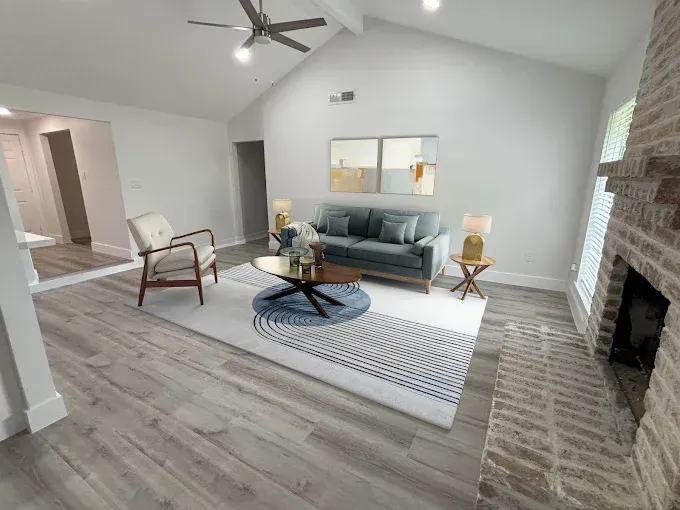
What Changes After New Flooring Goes In
You select tile or LVP based on room use, appearance, and maintenance preferences, and the installation process begins with measurements and a layout plan that avoids awkward cuts or misaligned seams. Tile installations use a wet saw for precise cuts around corners, doorways, and fixtures, while LVP gets scored with a utility knife or cut with a miter saw for clean edges. Spacers keep tile lines consistent, and planks click into place row by row with staggered seams to prevent weak points.
When the installation is finished, you walk on floors that sit level, with grout lines that run straight, planks that lie flat without gaps, and transitions between rooms or materials that fit snugly without tripping hazards. Ballybees Services cleans up dust, adhesive residue, and cut-off pieces so the room is ready to furnish. Any baseboards or trim removed during the installation get reinstalled, and shoe molding or quarter-round may be added to cover expansion gaps around the perimeter of LVP floors.
The project timeline depends on square footage, room configuration, and the condition of the subfloor. Complex layouts with multiple angles, alcoves, or built-in fixtures take longer than open rectangular spaces. Flooring installation does not include carpet removal, hardwood refinishing, subfloor structural repair beyond minor leveling, or plumbing and electrical work if fixtures need repositioning.
Common Questions About Tile and LVP Installation
Homeowners in Katy typically ask about material differences, timing, and what preparation is needed before flooring work begins in their kitchens, bathrooms, or living areas.
What is the difference between tile and luxury vinyl planking?
Tile is a rigid ceramic or porcelain material set in mortar with grouted joints, while LVP is a flexible multi-layer product that mimics wood or stone and installs faster with less mess. Tile handles high heat and heavy impacts better, while LVP is softer underfoot and quieter when walked on.
How long does flooring installation take?
A standard bathroom or small kitchen usually takes one to two days for tile, including grout cure time, and less than a day for LVP. Larger open areas move faster per square foot, but intricate layouts or subfloor repairs add time.
What should be done before installation starts?
Remove furniture, rugs, and breakable items from the work area, and ensure access to water and power outlets. If old flooring is still in place, discuss whether removal is included or needs to be handled separately.
Can LVP go over existing tile?
In some cases yes, if the tile is level, well-adhered, and the added floor height does not create issues with door clearances or transitions. An inspection determines whether the existing surface is suitable or if removal is necessary.
How soon can the floor be used after installation?
LVP can be walked on immediately after installation, though it is best to wait a few hours before moving heavy furniture back in. Tile requires grout to cure for at least twenty-four hours, and high-traffic use should wait forty-eight to seventy-two hours depending on the product used.
When your floors need replacing with a durable, water-resistant surface that improves the look and function of your home, contact Ballybees Services to schedule a consultation and get your flooring installation started in Katy.